The Hidden Connection Between Dental Alignment and Confident Communication
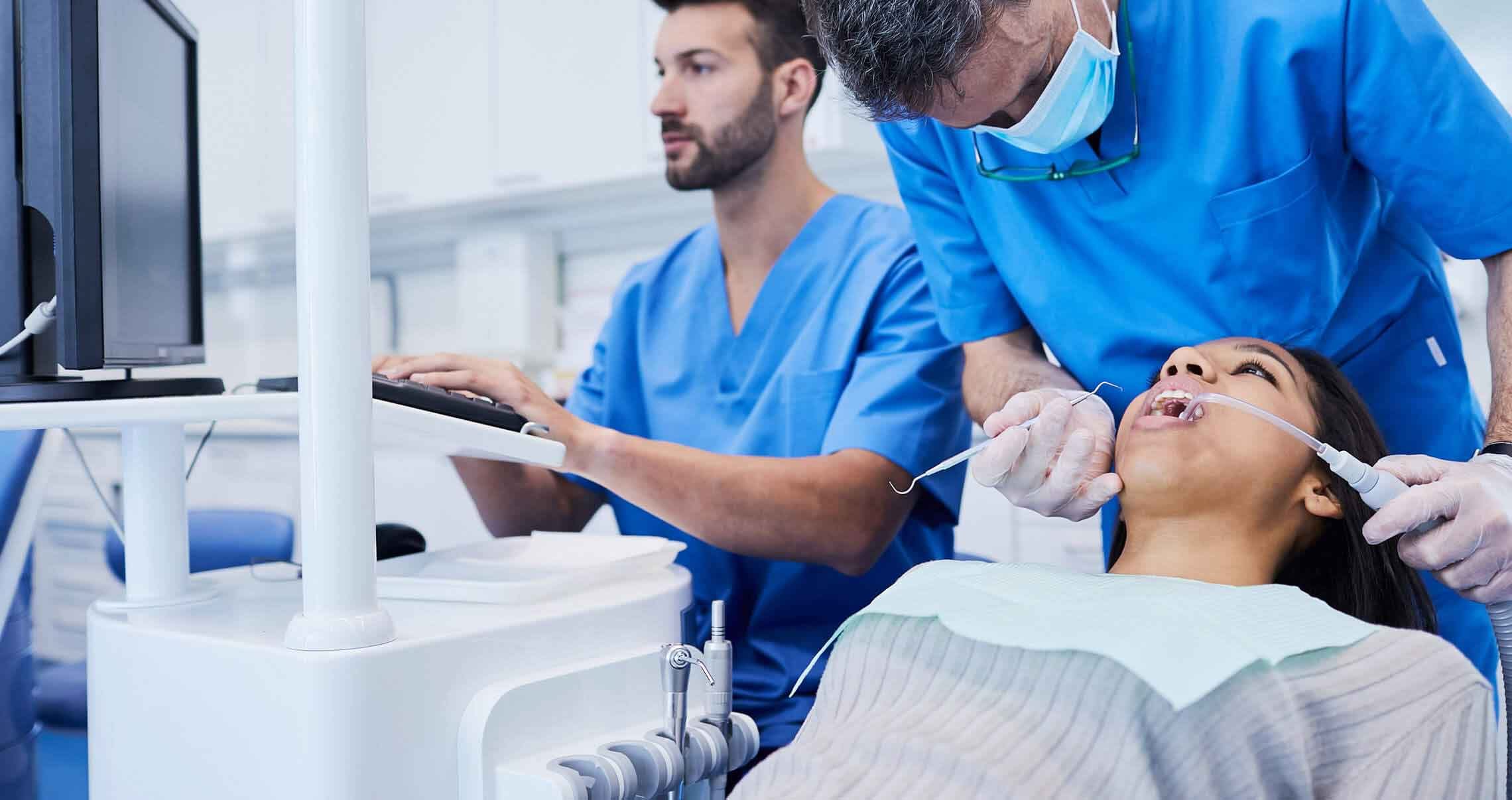
When considering the benefits of orthodontic treatment, most people naturally focus on the aesthetic improvements and health advantages that come with straighter teeth. However, there exists a fascinating and often overlooked dimension to orthodontic care known to an orthodontist London: its profound influence on personal communication skills. The relationship between dental alignment and one’s ability to communicate effectively extends far beyond mere pronunciation, touching upon confidence, social interactions, and even professional success.
The human mouth serves as the primary instrument for verbal communication, and any structural irregularities can create subtle yet significant barriers to clear expression. Malocclusions, crowded teeth, and jaw misalignments don’t simply affect appearance; they can fundamentally alter how individuals approach conversations, presentations, and social situations. This intricate connection between orthodontics and communication reveals itself through various psychological and physiological pathways that deserve careful examination.
The Physiological Foundation of Clear Speech
Proper dental alignment plays a crucial role in articulation and speech clarity. The tongue, teeth, and jaw work in harmonious coordination to produce the vast array of sounds that comprise human language. When teeth are misaligned or crowded, this delicate system faces disruption, potentially leading to speech impediments or pronunciation difficulties that can persist well into adulthood.
Certain consonants, particularly sibilant sounds like ‘s’, ‘z’, ‘sh’, and ‘th’, require precise tongue placement against properly positioned teeth. When dental irregularities interfere with this positioning, speakers may develop compensatory habits that affect their overall communication effectiveness. These adaptations, whilst functional, can sometimes result in less crisp articulation or require additional conscious effort during speech.
The Role of Jaw Positioning in Vocal Projection
Beyond individual sound production, orthodontic issues can influence overall vocal quality and projection. Proper jaw alignment contributes to optimal airflow and resonance, factors that significantly impact how one’s voice carries and is perceived by others. When seeking treatment from an orthodontist, patients often discover that addressing structural issues can lead to unexpected improvements in their vocal presence and speaking confidence.
The relationship between how orthodontic treatment enhances speech patterns extends to breathing patterns as well. Proper dental alignment often correlates with improved nasal breathing and better overall respiratory function during speech, contributing to more sustained and controlled verbal expression.
The Psychological Dimensions of Dental Confidence
The psychological impact of dental alignment on communication extends well beyond the physical mechanics of speech production. Individuals with orthodontic concerns often develop subconscious habits that limit their communicative potential. These may include speaking with reduced mouth movement, covering the mouth whilst talking, or avoiding situations that require extensive verbal interaction. Such behaviours can significantly diminish one’s ability to engage fully in personal and professional conversations.
Research indicates that people who feel self-conscious about their dental appearance tend to smile less frequently during conversations, which can affect how others perceive their warmth and approachability. The smile serves as a crucial non-verbal communication tool, and when individuals feel compelled to hide their teeth, they inadvertently limit this powerful aspect of interpersonal connection.
Professional Communication and Career Advancement
In professional settings, clear communication and confident presentation skills often correlate with career advancement opportunities. Individuals who feel comfortable with their dental appearance typically display greater willingness to participate in meetings, deliver presentations, and engage in networking activities. This increased participation can lead to enhanced visibility within organisations and improved professional relationships.
The impact becomes particularly pronounced in careers that require extensive public speaking, client interaction, or media presence. Comprehensive orthodontic treatment options can address these concerns, providing individuals with the confidence to pursue ambitious professional goals without the lingering worry about dental imperfections affecting their communication effectiveness.
Social Interactions and Relationship Building
Personal relationships also benefit from the enhanced communication confidence that follows orthodontic treatment. When individuals feel comfortable with their dental appearance, they’re more likely to engage in animated conversations, laugh freely, and express themselves without reservation. These natural behaviours contribute to stronger social bonds and more meaningful interpersonal connections.
The nuanced ways orthodontic care influences communication patterns demonstrate how dental health intersects with social psychology, creating ripple effects that extend throughout various aspects of personal and professional life.
Embracing the Full Spectrum of Orthodontic Benefits
Understanding orthodontics as more than merely cosmetic enhancement reveals its true value in supporting comprehensive personal development. The subtle yet significant improvements in communication skills that accompany proper dental alignment represent an investment in one’s overall quality of life, social relationships, and professional success. This holistic perspective on orthodontic care acknowledges the intricate connections between physical health, psychological well-being, and communicative effectiveness.













































 The importance of flavor










 Where can you buy CBD oil tinctures?